Decoding Reward Pathways: How Progressive Deposit Thresholds Unlock Varying Incentive Structures in Digital Gambling Ecosystems
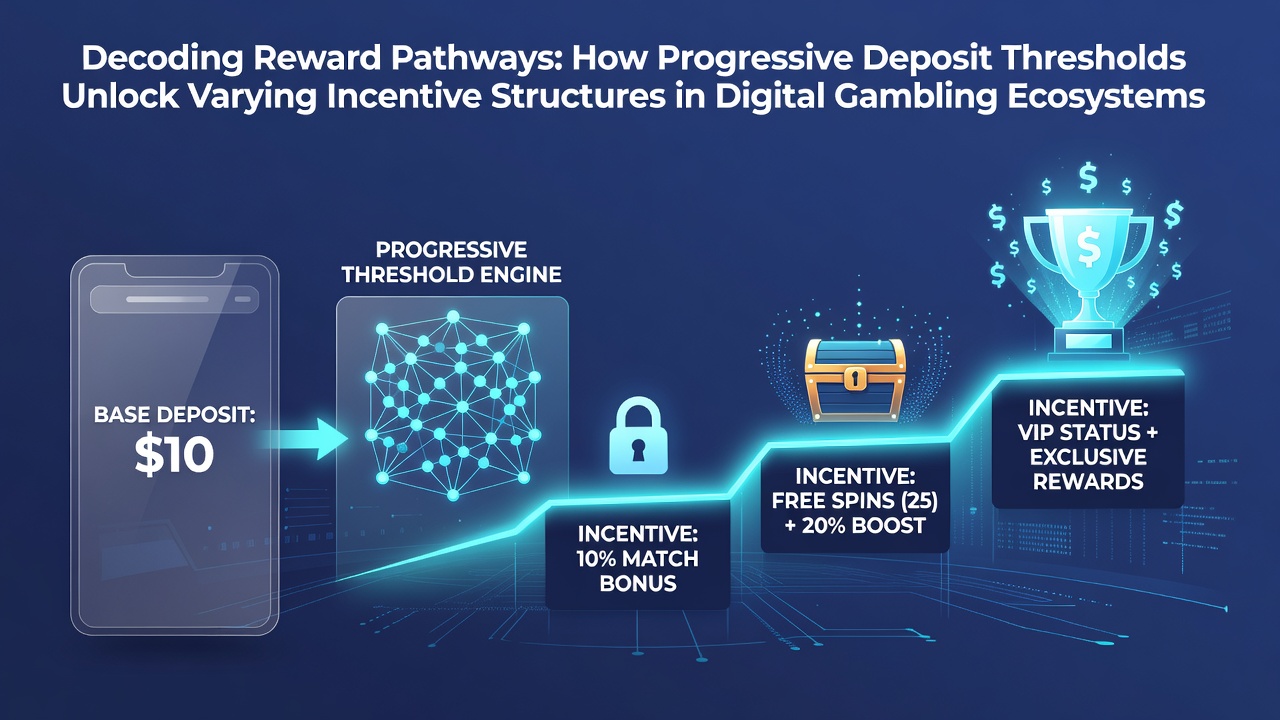
Digital gambling platforms structure incentives through progressive deposit thresholds that activate different reward tiers as players meet successive funding levels, and this approach creates layered systems where initial deposits unlock basic bonuses while higher cumulative amounts open access to enhanced promotions such as increased match percentages, additional free spins, and loyalty multipliers. Research from academic institutions shows these mechanisms rely on clear funding milestones that platforms communicate upfront, allowing users to anticipate how each deposit advances their position within the reward architecture.
Core Mechanics of Threshold-Based Incentives
Platforms establish deposit rungs that correspond directly to incentive categories, so a first deposit of fifty dollars might trigger a standard welcome match whereas reaching two hundred dollars across initial transactions activates premium features including cashback rates and exclusive event entries. Data from regulatory filings indicates that these progressions operate on both single-transaction and cumulative bases, with some systems resetting monthly while others track lifetime activity to determine long-term tier status. Observers note that the design encourages sustained engagement because each completed threshold reveals the next available structure without requiring separate qualification steps.
Regional Implementation Patterns in Mid-2026
July 2026 saw continued expansion of these models across North American and European markets, where operators adjusted threshold values in response to updated compliance requirements from bodies such as the Alcohol and Gaming Commission of Ontario. Platforms operating under these frameworks publish detailed tables that map deposit amounts to corresponding rewards, and analysts tracking these changes report that European sites often emphasize free spin allocations at lower tiers compared with North American counterparts that prioritize deposit match percentages at mid-level thresholds. The variation reflects differing market priorities yet maintains the same underlying principle of progressive unlocking.
One documented case involved an operator that introduced five distinct deposit bands ranging from twenty-five dollars to one thousand dollars, with each band granting escalating loyalty points that could later convert into playable credits. Industry reports confirm that players who advanced through all bands within a single calendar month received an additional multiplier applied to all subsequent activity, illustrating how the system compounds benefits across multiple sessions.
Data Patterns Across Platforms
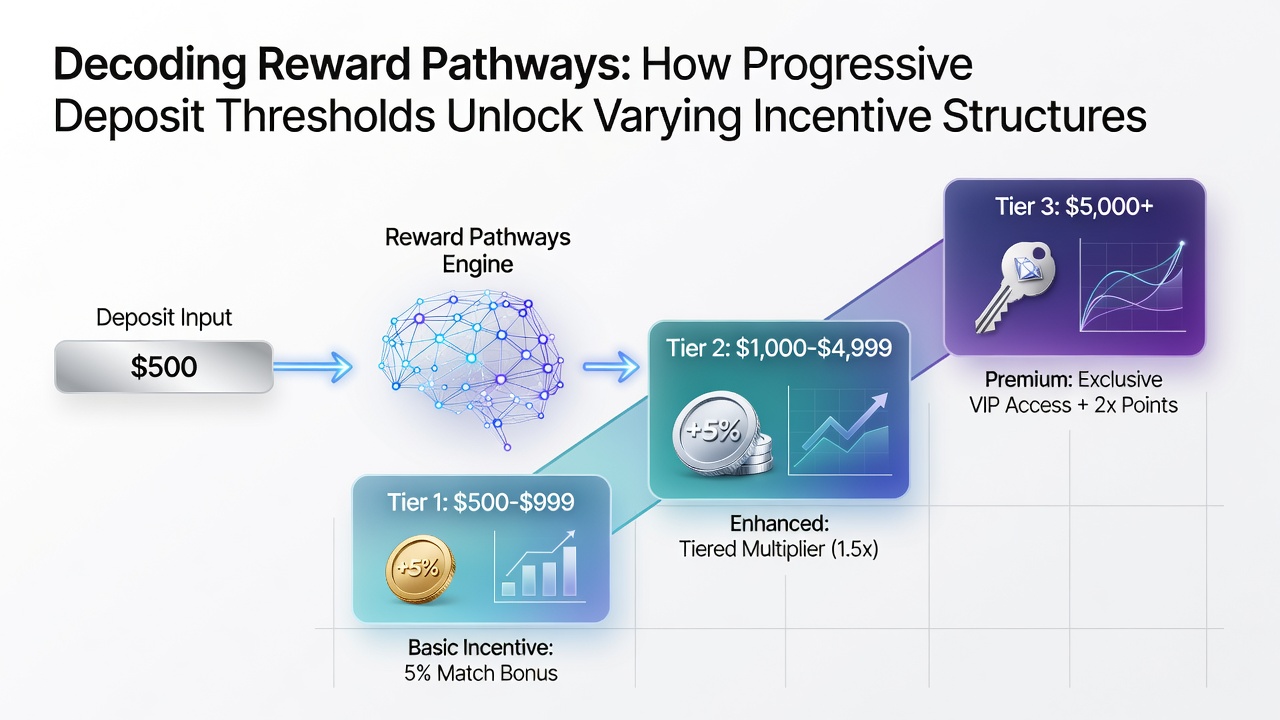
Statistical reviews conducted by university research centers reveal that approximately sixty-eight percent of active accounts reach at least the second deposit threshold within thirty days of registration, while only twenty-two percent advance to the fourth or fifth tiers. These figures come from aggregated platform data shared with oversight agencies and demonstrate consistent user behavior across different regulatory environments. What's interesting is that platforms frequently adjust the spacing between thresholds based on seasonal traffic patterns, tightening gaps during high-activity periods such as major sporting events to maintain engagement momentum.
Another pattern emerges when comparing welcome sequences to ongoing reload offers, since initial thresholds tend to feature higher match rates that taper at later stages while reload promotions introduce time-limited multipliers tied to specific deposit windows. According to findings published by the Massachusetts Gaming Commission, operators using these dual-track systems recorded higher retention among accounts that crossed multiple thresholds early, suggesting the incentive structures effectively guide user progression when presented transparently.
Technical and Compliance Considerations
Behind the visible reward ladders sit verification protocols that confirm deposit completion before unlocking subsequent tiers, and these checks integrate with broader responsible gambling tools that monitor spending velocity. Platforms must document each threshold transition for audit purposes, creating detailed logs that regulators review during routine examinations. The Australian Gambling Research Centre has examined how such documentation requirements influence the design of deposit ladders, noting that clearer communication of future tiers correlates with reduced player inquiries to support teams.
Systems also incorporate safeguards that prevent threshold manipulation through rapid successive deposits, typically imposing minimum time intervals or maximum transaction counts per period. These measures maintain system integrity while preserving the incentive pathway's intended pacing, and operators update the rules periodically to align with evolving regulatory guidance issued in 2026.
Conclusion
Progressive deposit thresholds function as structured gateways that translate funding activity into differentiated incentive access across digital gambling platforms. The architecture relies on transparent mapping between deposit levels and reward categories, supported by verification processes and compliance documentation that vary by jurisdiction yet share core operational principles. Data collected through mid-2026 confirms measurable user progression patterns that operators continue to refine through threshold spacing and reward calibration. As platforms adapt these systems to new market conditions, the fundamental relationship between cumulative deposits and unlocked incentives remains the central organizing feature of contemporary reward pathways.