Inside Layered Reward Architectures: Scaling Incentives Across Deposit Thresholds in Digital Platforms
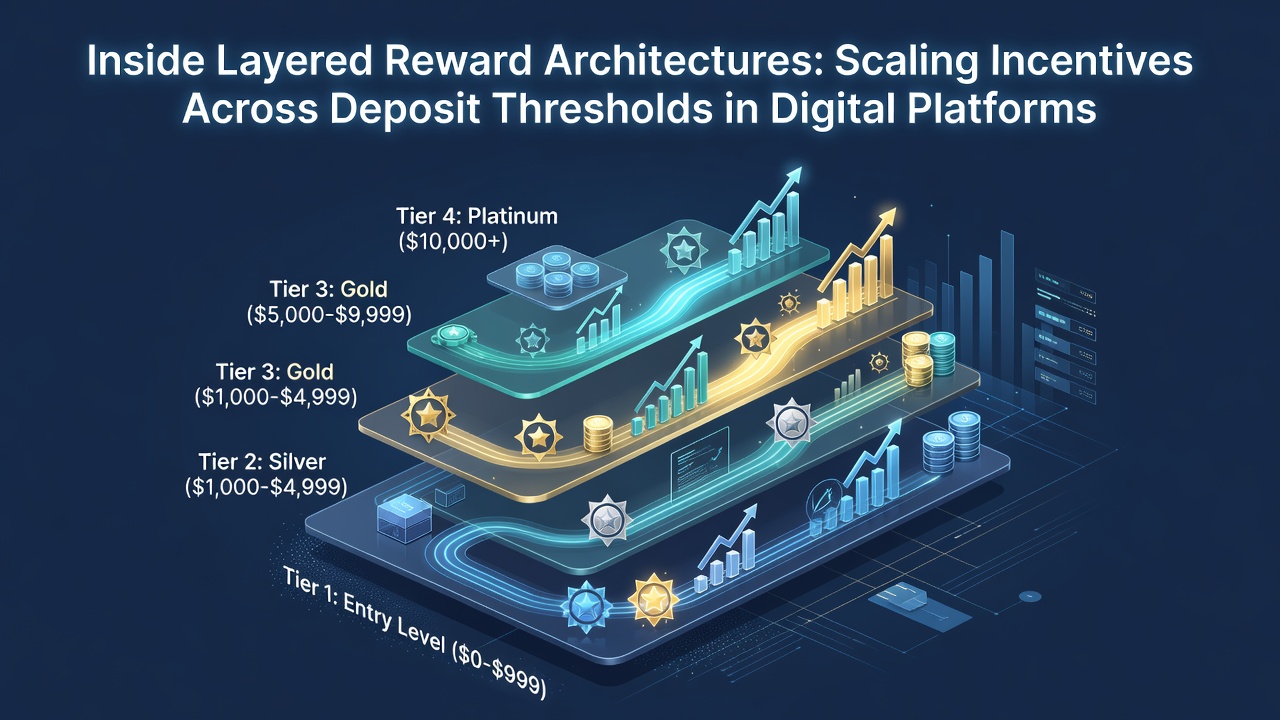
Digital platforms have increasingly adopted layered reward architectures that adjust incentives according to user deposit levels and activity patterns. These systems organize benefits into progressive tiers where higher deposit thresholds unlock enhanced rewards such as increased cashback rates, priority access, or additional features. Data from multiple sectors indicates that such structures encourage sustained engagement by aligning user contributions with graduated returns.
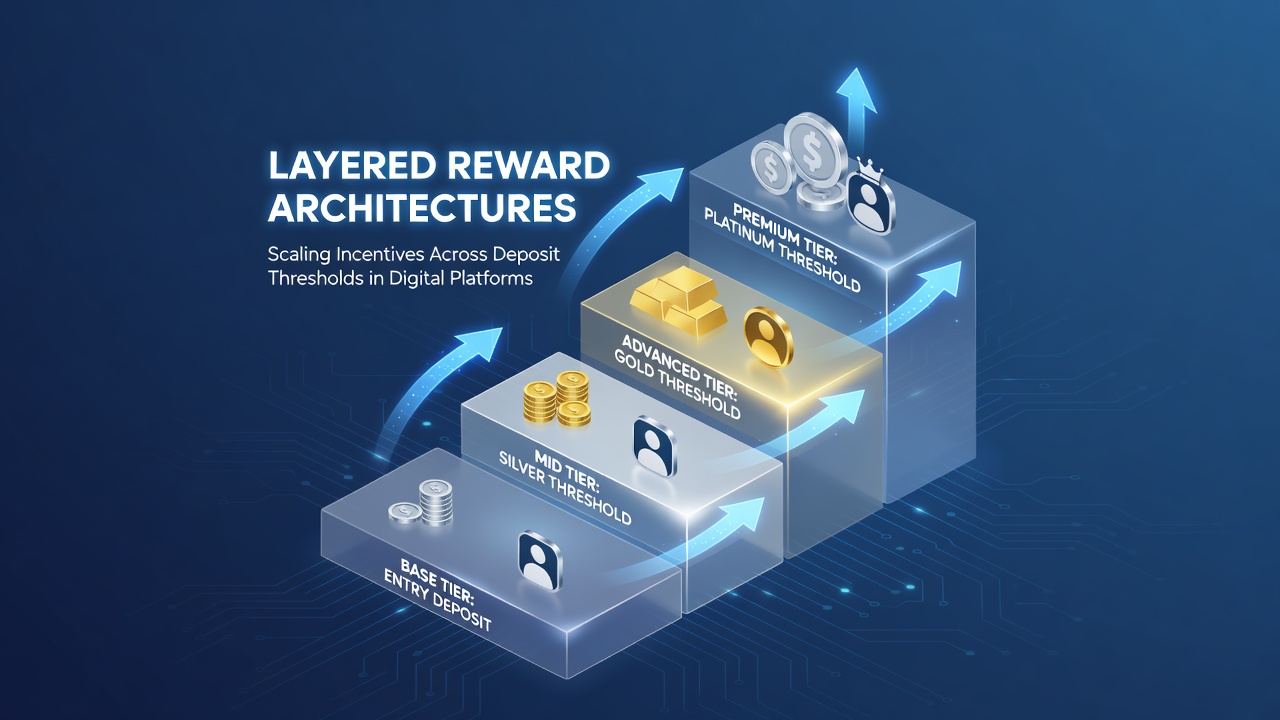
Platform operators define specific deposit amounts that serve as entry points to each layer. For instance, users who maintain balances above certain thresholds receive proportionally larger incentives compared to those at lower levels. Research indicates this approach distributes rewards more efficiently across user segments while maintaining operational cost controls. Studies conducted by academic institutions have examined how these thresholds influence retention metrics across fintech and e-commerce applications.
Mechanics of Threshold-Based Scaling
Layered systems operate through predefined deposit brackets that trigger automatic reward adjustments. When a user's cumulative deposits cross a designated amount, the platform activates the next incentive tier without requiring manual intervention. This automation relies on backend algorithms that track balances in real time and apply corresponding multipliers to rewards. Observers note that platforms often implement logarithmic scaling, where reward growth slows at higher thresholds to prevent disproportionate payouts.
Payment processors and app developers integrate these architectures with existing transaction systems, allowing seamless updates as deposit volumes fluctuate. A report released in June 2026 by the Australian Securities and Investments Commission highlighted how several digital banking platforms adjusted their threshold intervals to better match seasonal user behavior patterns. The analysis showed that platforms using quarterly recalculations maintained steadier engagement levels than those relying on fixed annual reviews.
Implementation Across Platform Types
Fintech applications represent one common environment for these reward structures, particularly those handling user deposits for investment or savings products. Users who deposit larger sums over defined periods access higher interest bonuses or reduced fee structures. E-commerce platforms apply similar models through loyalty programs where accumulated purchase deposits determine membership levels and associated perks like expedited shipping or exclusive product previews.
Subscription-based services also employ deposit thresholds to differentiate access tiers. Users who prepay larger amounts for extended periods receive additional content credits or customization options. Industry reports from organizations such as the Digital Economy Research Institute demonstrate that platforms combining deposit tracking with behavioral data achieve more precise incentive calibration than those using static reward schedules.
Data Patterns and User Response Metrics
Analysis of platform datasets reveals consistent patterns in how users respond to layered incentives. Participants tend to increase deposit frequency when approaching the next threshold, creating measurable spikes in activity near tier boundaries. Figures compiled by research teams at various universities indicate that platforms publishing clear threshold information experience higher completion rates for tier advancement compared to those that obscure progression details.
Cross-regional comparisons further illustrate variations in effectiveness. Platforms operating in markets with strong consumer protection frameworks show more transparent communication about how deposits translate into rewards. This transparency correlates with sustained user trust according to aggregated findings from multiple industry analyses. Platforms that update their threshold values in response to macroeconomic shifts maintain relevance as user deposit capacities change over time.
Technical Considerations in System Design
Developers building layered reward systems must account for scalability when managing large user bases with varying deposit volumes. Database architectures store threshold rules separately from individual user records to allow efficient updates across millions of accounts. Security protocols verify deposit authenticity before applying reward adjustments, reducing opportunities for manipulation through artificial balance inflation.
Integration with external payment gateways adds another layer of complexity since deposit confirmations must occur in near real time. Testing protocols include simulations of threshold crossings under different load conditions to ensure reward delivery remains consistent. Those who've studied platform performance note that systems incorporating fallback mechanisms for delayed confirmations experience fewer user complaints during high-traffic periods.
Conclusion
Layered reward architectures continue to evolve as digital platforms refine methods for scaling incentives according to deposit thresholds. The combination of automated tracking, clear tier definitions, and responsive design supports broader adoption across financial, retail, and service-oriented applications. Evidence from ongoing studies shows these systems influence user behavior through structured progression rather than uniform reward distribution. Future adjustments will likely incorporate additional data sources to further align incentives with individual deposit patterns while maintaining platform sustainability.