Pennsylvania Supreme Court Classifies Skill Games as Illegal Slot Machines in Key Ruling

Pennsylvania Attorney General Dave Sunday released a formal statement following the state Supreme Court’s determination that skill games violate existing provisions in the Crimes Code and Gaming Act, and this classification treats the devices as unlicensed slot machines subject to enforcement actions. The ruling directly affects thousands of machines currently placed in bars, convenience stores, and similar retail locations throughout the commonwealth, where operators had previously maintained that player skill elements distinguished the games from traditional gambling equipment.
Legal observers note that the decision stems from consolidated cases involving operators who challenged state regulatory interpretations, and the court examined whether elements of chance or skill predominated in gameplay mechanics under statutory definitions. Court documents indicate that machines meeting the criteria outlined in the Gaming Act now fall outside any licensed category, which means venues hosting them face potential civil and criminal exposure if operations continue without proper authorization.
Details of the Supreme Court Holding
The Pennsylvania Supreme Court reviewed arguments centered on the distinction between games of skill and games of chance, and it concluded that the devices in question incorporate sufficient random elements to qualify as slot machines under current law. This interpretation aligns with broader language in the Gaming Act that prohibits unlicensed electronic gambling devices, and it closes what some operators viewed as a regulatory gap that allowed widespread deployment across non-casino settings. Data from industry reports show that such machines had expanded rapidly in recent years, often generating revenue through per-play fees while avoiding direct oversight from the Pennsylvania Gaming Control Board.
Those who studied the case records point out that the ruling references specific technical features such as electronic displays, random number generators, and payout structures that mirror regulated slot machines found in licensed casinos. The decision does not create new law but applies existing statutes to these particular devices, and it effectively removes any argument that skill components alone exempt them from the Crimes Code prohibitions.
Attorney General Sunday’s Official Statement
Attorney General Dave Sunday issued his response shortly after the court released its opinion, and the statement emphasized that the ruling provides clear guidance for law enforcement and regulatory agencies moving forward. Sunday noted that the decision reinforces the state’s authority to address unlicensed gambling operations, and he indicated that his office stands ready to support local authorities in compliance efforts. The statement also highlighted the importance of protecting consumers from unregulated gaming environments that operate outside established licensing frameworks.
According to the Attorney General’s office, the ruling clarifies enforcement priorities without requiring immediate legislative changes, and it allows existing statutes to address the machines directly. Observers familiar with state gaming policy note that Sunday’s comments align with prior positions taken by the Gaming Control Board, which had long maintained that skill games required specific authorization to operate legally.
Impact on Pennsylvania Venues and Operators
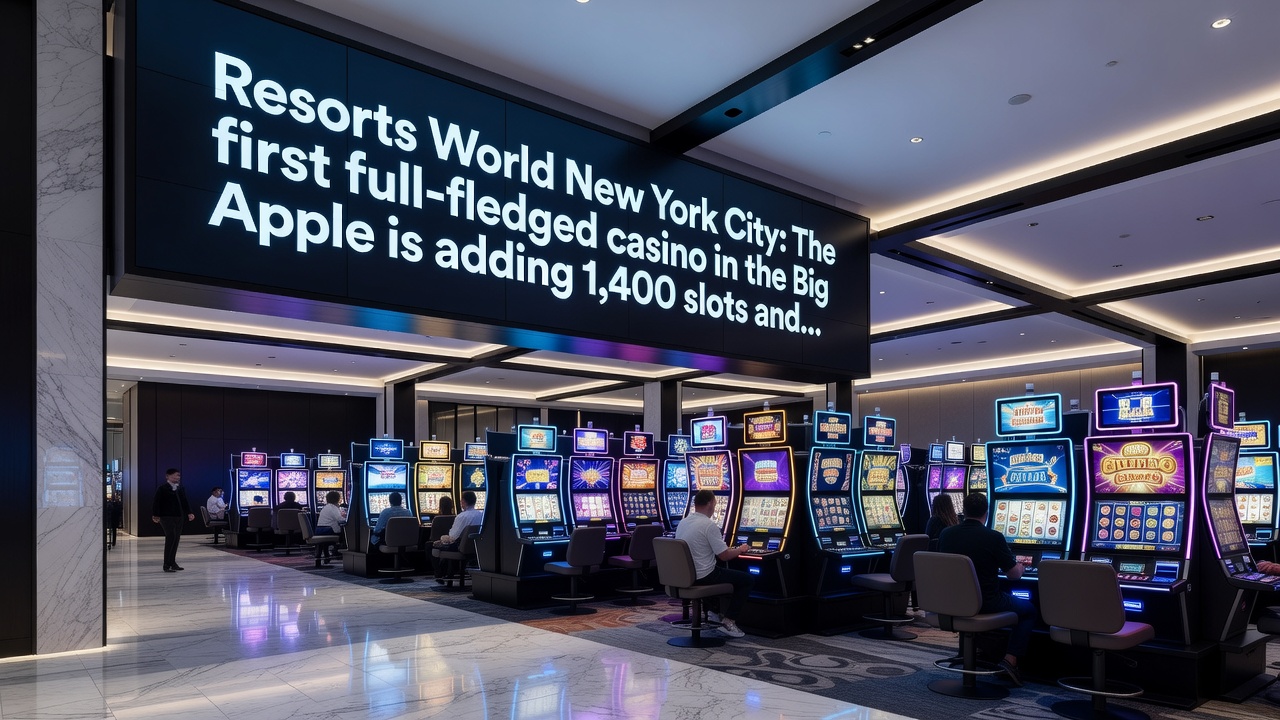
Businesses that host these machines now confront practical questions about removal timelines and potential liability, and trade associations representing convenience stores and bars have begun reviewing the opinion to assess next steps. The ruling applies statewide, which means operators in urban centers like Philadelphia and Pittsburgh face the same requirements as those in rural counties where machines had become common fixtures. Industry estimates suggest that several thousand devices could require relocation or decommissioning, although exact figures depend on how many units meet the court’s definition of prohibited equipment.
One study of similar regulatory shifts in neighboring states revealed that venue owners often transition to licensed alternatives or remove devices entirely once enforcement begins, and Pennsylvania operators appear positioned to follow comparable patterns. The Gaming Control Board has not yet published detailed compliance guidance, but the Attorney General’s statement signals that coordinated action among state agencies will address remaining questions about machine identification and seizure procedures.
Regulatory Context and Enforcement Outlook
Pennsylvania’s gaming regulatory structure separates casino-based slot machines from other electronic devices, and the Supreme Court ruling effectively places skill games into the unlicensed category rather than creating a new middle ground. This outcome follows earlier lower court proceedings where operators argued for exemptions based on skill predominance tests, yet the high court rejected those distinctions in favor of the statutory language as written. Ruling on skill games legality provides the full text of the opinion that now guides enforcement priorities across the state.
Enforcement actions could accelerate once local district attorneys receive updated directives, and businesses have begun consulting legal counsel to determine whether appeals or legislative remedies remain viable. The decision does not address potential future licensing pathways, which leaves open the possibility that lawmakers might consider new categories in upcoming sessions if operators seek formal authorization routes.
Conclusion
The Pennsylvania Supreme Court’s classification of skill games as unlicensed slot machines has prompted a direct response from Attorney General Dave Sunday, and the combined effect establishes clearer boundaries for electronic gaming devices outside licensed casinos. Venues across the state must now evaluate their current machine placements against the ruling’s criteria, while state agencies prepare coordinated enforcement measures. The outcome reinforces existing statutory frameworks without introducing immediate new legislation, and it sets the stage for compliance activities that will unfold over the coming months.