The Interplay Between Verification Requirements and Access to Multi-Level Reward Options in Contemporary Online Gambling Platforms
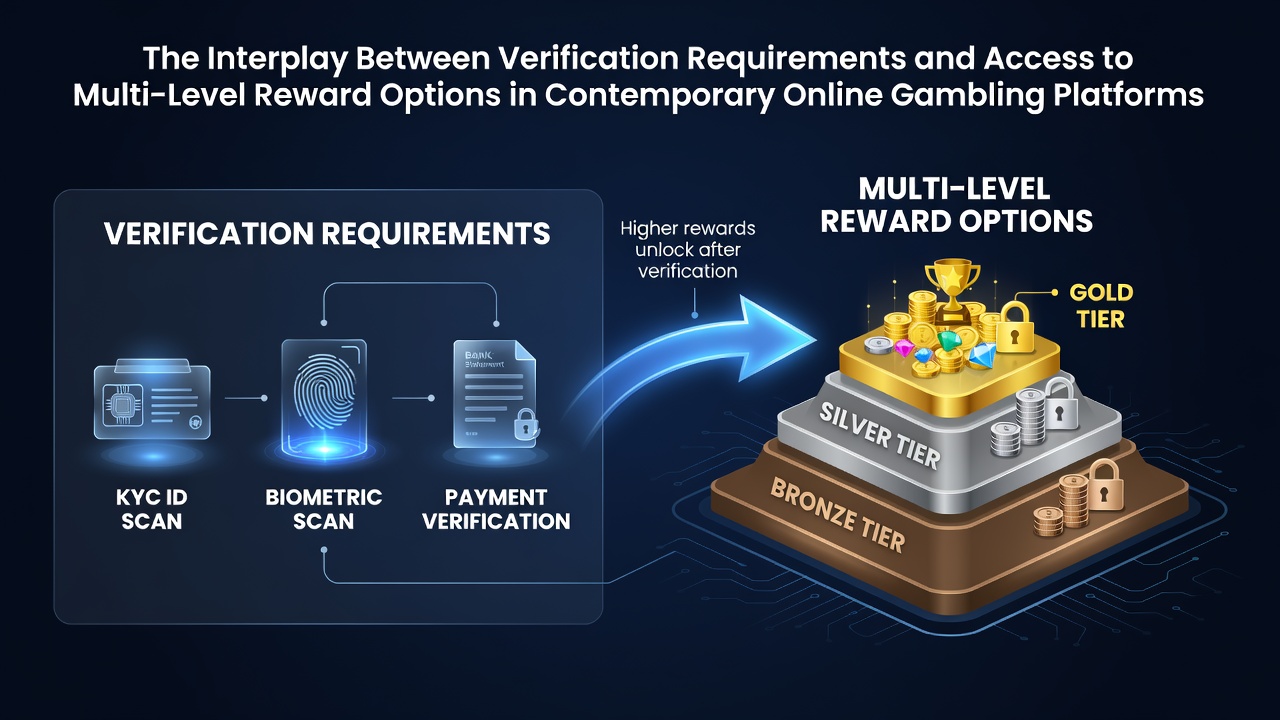
Verification requirements in online gambling platforms serve as gatekeepers that shape how players gain entry to multi-level reward structures, and these processes typically involve identity confirmation, age verification, and address validation before users can progress through loyalty tiers. Platforms integrate these checks to align with regional regulations while structuring rewards such as deposit bonuses, cashback percentages, and VIP exclusives that escalate with verified activity levels. Data from regulatory bodies shows that unverified accounts remain restricted to basic features, whereas completed verification unlocks cumulative point systems and tier advancements that deliver higher-value incentives over time.
Core Verification Mechanisms in Platform Operations
Contemporary platforms employ multi-stage verification that begins with document uploads and extends to biometric or third-party database cross-checks, and this sequence directly influences reward accessibility because higher tiers demand sustained compliance records. Research indicates that systems often flag incomplete profiles during initial sign-up, which blocks immediate participation in progressive loyalty schemes until documentation clears. Those who study platform architectures note that automated tools handle routine checks while manual reviews address discrepancies, creating timelines that range from minutes to several days depending on the jurisdiction and user location.
Structure of Multi-Level Reward Systems
Multi-level rewards typically operate on point accumulation models where deposits, wagers, and session frequency convert into status elevations, and these models grant escalating benefits such as personalized promotions, faster withdrawal processing, and event invitations once verification confirms account legitimacy. Figures from industry reports reveal that platforms segment rewards into bronze, silver, gold, and platinum categories, each requiring verified play history before activation. Observers note that without verification, players stay at entry levels even after meeting wager thresholds, since the system withholds tier progression until identity confirmation completes.
Direct Connections Between Verification and Reward Access
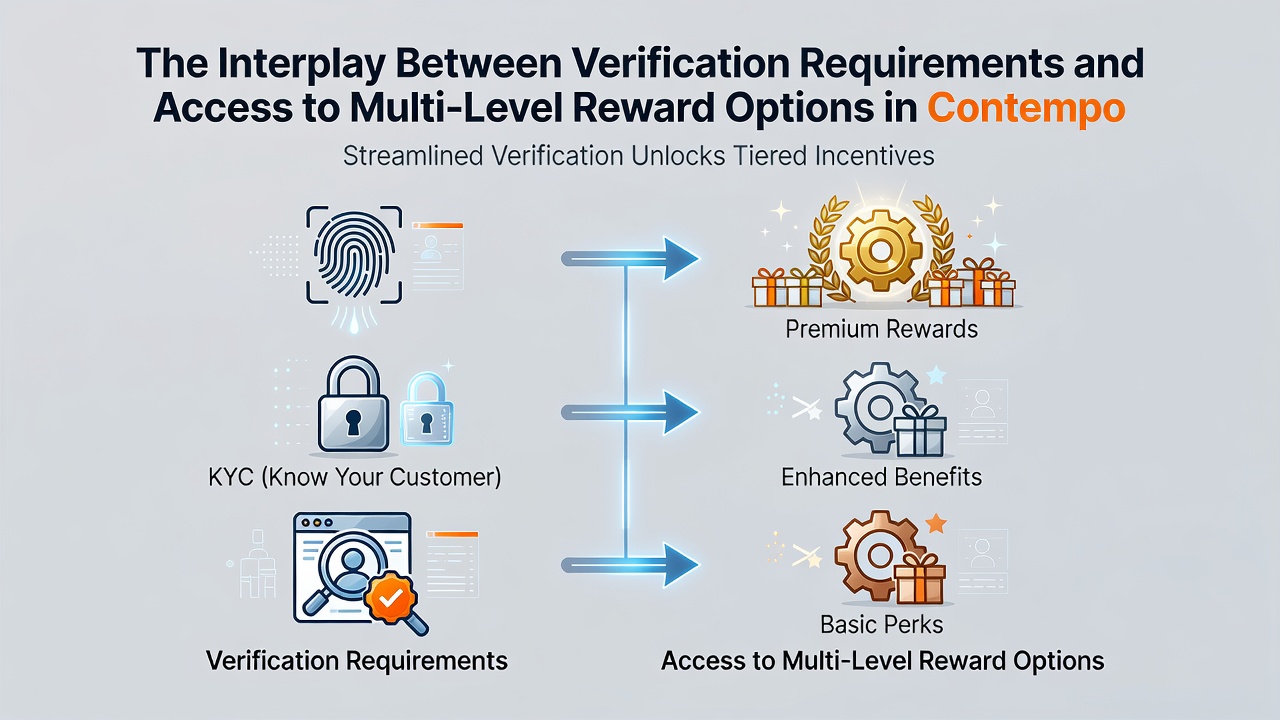
Verification status functions as the primary trigger for reward tier unlocks because platforms embed compliance flags into loyalty algorithms, and this linkage ensures that only authenticated users receive notifications about upgraded cashback rates or exclusive tournaments. Studies found that incomplete verification often results in suspended point accrual, which prevents users from advancing despite ongoing activity. As of June 2026, updates in several licensing frameworks have reinforced these ties by mandating real-time verification audits for any account seeking access to premium reward layers.
Regional Variations in Implementation
Different jurisdictions apply verification standards that affect reward structures in distinct ways, and European operators tend to require ongoing source-of-funds declarations for higher tiers while North American platforms emphasize state-specific age and location checks before VIP benefits activate. Data shows that Australian frameworks link verification renewal to continued reward eligibility, creating periodic re-checks that can temporarily pause point accumulation. Researchers discovered that these regional differences lead to varied timelines for reward access, with some markets allowing provisional low-tier entry after basic checks and others enforcing full verification upfront.
Platform Adaptations and Compliance Tools
Operators deploy integrated compliance software that synchronizes verification results with reward engines, and this setup allows automatic tier adjustments once documents receive approval. Evidence suggests that such tools reduce manual intervention while maintaining audit trails that satisfy oversight requirements from bodies like the Alcohol and Gaming Commission of Ontario. Platforms also incorporate self-exclusion lists into verification workflows, which blocks reward access for restricted accounts regardless of activity levels.
Impact on Player Progression Patterns
Players who complete verification early encounter fewer interruptions when climbing reward ladders, whereas delayed submissions create gaps in point collection that extend the time needed to reach upper tiers. Reports from trade associations indicate that verified accounts show higher retention rates in loyalty programs because access to escalating benefits encourages continued engagement. What's interesting is how platforms sometimes offer verification incentives such as bonus points upon approval, which accelerates initial tier movement without altering core compliance rules.
Future Framework Adjustments
Regulatory developments scheduled around mid-2026 continue to refine verification protocols in relation to reward systems, and these changes focus on digital identity solutions that could shorten approval times while preserving security standards. Industry organizations track these shifts to advise operators on maintaining seamless reward access for compliant users. Those who've examined emerging standards note that platforms are testing blockchain-based verification to further integrate with dynamic loyalty models.
Conclusion
The interplay between verification requirements and multi-level rewards remains central to how online gambling platforms balance regulatory compliance with user engagement features, and ongoing adaptations in technology and policy continue to shape these interactions across markets. Data from sources such as the Alcohol and Gaming Commission of Ontario and reports issued by the National Council on Problem Gambling illustrate consistent patterns in how verification gates reward progression. Platforms that align these elements effectively support structured player advancement while meeting oversight expectations.