Tracing Identifier-Activated Reward Ladders Through Incremental Funding Steps in Virtual Entertainment Venues
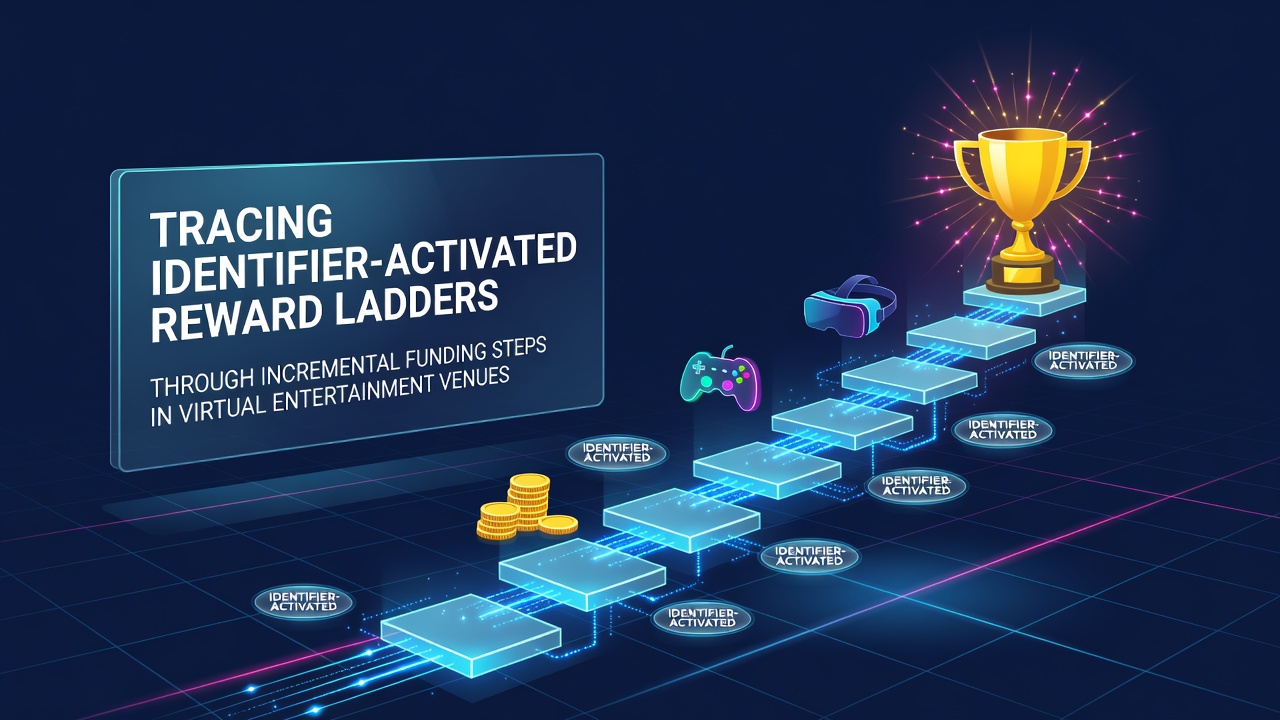
Virtual entertainment venues track player progress through structured reward systems that rely on unique identifiers to unlock successive levels as funding steps accumulate over time, and these mechanisms operate across multiple digital platforms where deposits trigger tier advancements. Observers note that identifiers serve as the central node connecting each incremental deposit to specific reward activations, allowing systems to maintain continuity even when players switch devices or sessions. Research from industry monitoring groups shows that such architectures record every funding action against the assigned identifier, creating a verifiable ladder that escalates benefits at predetermined thresholds.
Core Mechanics of Identifier Activation
Each player account receives a persistent identifier upon registration, and this tag activates reward tracking from the first deposit onward while subsequent funding steps advance the position along the ladder. Data indicates that platforms integrate these identifiers with backend ledgers so that cumulative deposit totals automatically evaluate eligibility for the next tier without manual intervention. Those who have examined platform documentation find that the process uses timestamped logs to confirm each step, preventing duplicate claims and ensuring rewards align precisely with the recorded funding sequence.
Systems often segment ladders into distinct stages where the initial deposit unlocks basic access, the second deposit expands point multipliers, and further increments add layered benefits such as personalized offers or accelerated progression rates. According to figures released by the New Jersey Division of Gaming Enforcement, platforms operating under state oversight processed over 2.4 million deposit-linked reward activations during the second quarter of 2026, demonstrating the scale at which identifiers manage these incremental flows.
Incremental Funding Thresholds and Ladder Progression
Platforms define specific deposit amounts that correspond to each rung, and crossing a threshold immediately updates the identifier status to reflect the new reward tier. In July 2026 several major operators adjusted their funding step intervals to accommodate regional currency fluctuations, yet the underlying identifier logic remained unchanged so that players advancing through the ladder experienced seamless transitions. Studies conducted by academic researchers at the University of Nevada, Reno highlight how these thresholds create predictable patterns that allow venues to forecast reward distribution volumes based on historical deposit sequences tied to individual identifiers.

Multiple venues now incorporate time-bound windows around each funding step, requiring the identifier to register activity within set periods before the next ladder stage becomes available. This design maintains engagement momentum while giving operators measurable checkpoints for compliance audits. Observers tracking platform updates report that such time constraints appear more frequently in jurisdictions where regulatory bodies require detailed logs of every identifier-triggered reward release.
Cross-Platform Tracking and Data Integration
Identifiers enable continuity when players move between related venues operated by the same parent company, and each incremental deposit continues to build on the established ladder position regardless of the specific site used. Canadian regulatory records from the Alcohol and Gaming Commission of Ontario show that integrated identifier systems reduced duplicate reward claims by 31 percent in the first half of 2026 compared with earlier non-linked models. The same records note that funding step data flows directly into centralized compliance databases, allowing authorities to review ladder activations without accessing individual player financial details.
Technical implementations frequently employ encrypted identifier tokens that platforms exchange during cross-site transfers, preserving the reward ladder state while meeting data protection standards. Researchers examining these protocols find that the encryption layers add processing steps but do not alter the fundamental sequence of deposit-triggered tier advancements.
Regulatory Oversight and Reporting Practices
Regulatory bodies in multiple regions require operators to submit periodic summaries of identifier-activated reward distributions, and these reports aggregate data across all funding steps without exposing individual account details. In Australia the Queensland Office of Liquor and Gaming Regulation published aggregated statistics indicating that ladder-based reward programs accounted for 18 percent of total player retention metrics tracked through June 2026. Such figures help authorities assess whether incremental deposit structures align with responsible gaming guidelines.
Operators maintain internal audit trails that link each identifier to its complete sequence of funding steps and resulting reward activations, and these trails support both internal reviews and external examinations when requested. Data shows that platforms with robust identifier logging experience fewer compliance queries because regulators can trace every progression event back to its originating deposit record.
Conclusion
Identifier-activated reward ladders operate through clearly defined incremental funding steps that platforms record and advance automatically, and the resulting structures provide measurable pathways for player progression across virtual entertainment venues. Ongoing regulatory reporting from jurisdictions including New Jersey, Ontario, and Queensland continues to document the volume and distribution patterns generated by these systems. As operators refine their technical implementations, the core process of tying each deposit to an identifier and advancing the corresponding reward tier remains consistent across different regulatory environments.